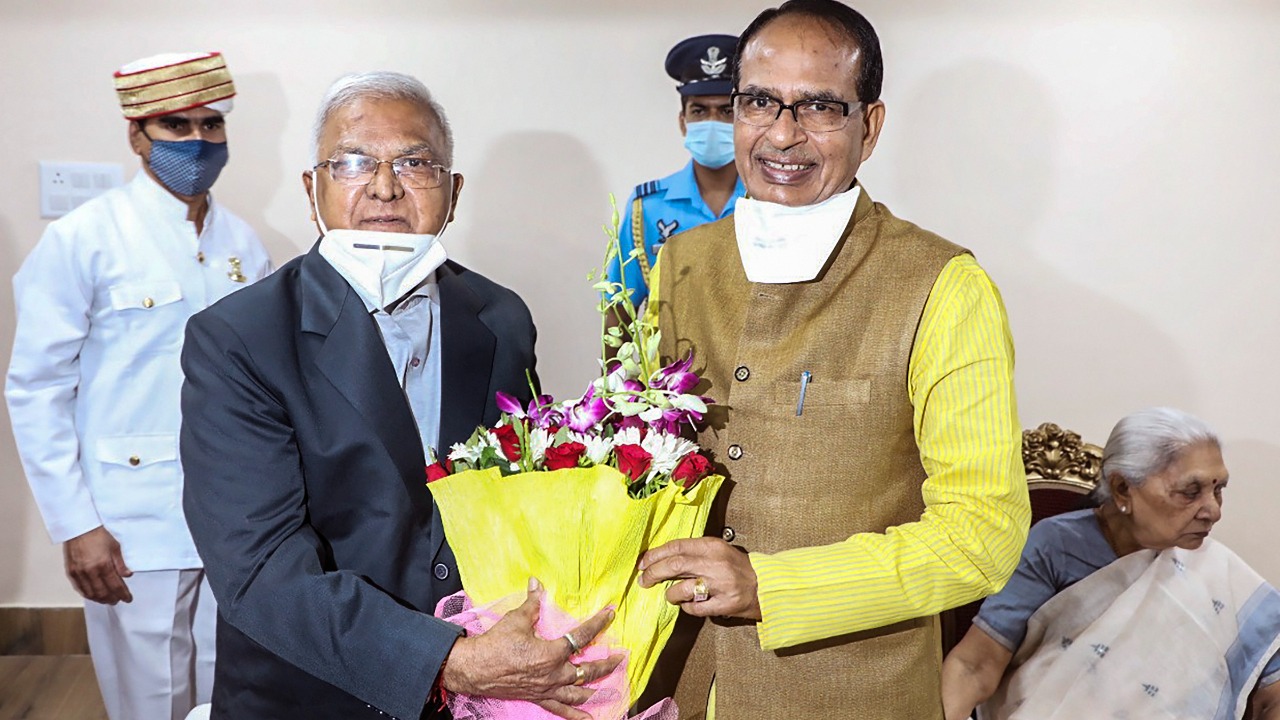
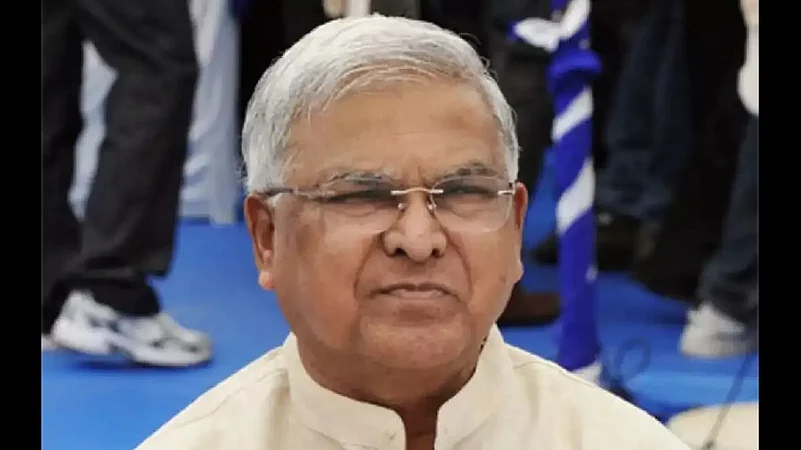
Examining the policy contributions, administrative initiatives, and governance outcomes that have defined Mangubhai Patel's impact on public service delivery and institutional reform.
Mangubhai Patel's policy contributions span the full arc of his political career — from his early legislative interventions as an MLA from Navsari to his ministerial decisions in the Gujarat cabinet, and most recently, his gubernatorial influence in Madhya Pradesh. While the nature of his policy role has evolved with each office, a consistent thread runs through all his contributions: the emphasis on practical, implementable policies that can be measured by their impact on the ground.
During his tenure as an MLA and later as a Cabinet Minister in Gujarat, Patel was deeply involved in shaping policies related to agriculture, rural development, and tribal welfare. Gujarat's success story in cooperative movements, irrigation infrastructure, and rural electrification during the period of his active political engagement was built on the contributions of leaders like him — who understood both the policy challenges and the ground-level realities of implementation.
His policy approach was distinguished by three characteristics that set him apart from many of his contemporaries:
Rather than relying on ideological assumptions, Patel consistently advocated for policies grounded in data and local evidence. His constituency experience gave him first-hand knowledge of what worked and what didn't — knowledge that informed his policy positions in the Assembly and the cabinet.
Understanding that the gap between policy design and delivery is where most government programs fail, Patel was known for his relentless focus on implementation. He regularly followed up on the physical progress of projects, not just financial expenditure, and held officials accountable for actual outcomes.
Coming from a constituency with significant tribal and marginalized populations, Patel ensured that policy frameworks included specific provisions for vulnerable communities. He consistently argued that economic growth without social inclusion was incomplete governance.
These policy principles have remained consistent throughout his career, adapting to the evolving demands of each role while maintaining their core commitment to effective, inclusive, and accountable governance.
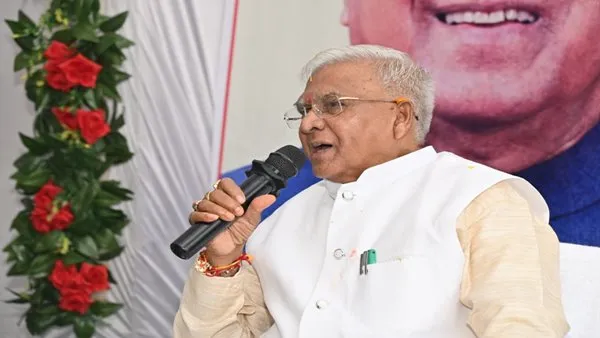
Governor Patel has been a strong advocate for electoral participation and voter awareness. His National Voters' Day initiatives have recognized outstanding election officials and promoted the fundamental democratic right to vote. He has consistently emphasized that voter participation is the foundation of a healthy democracy and that every citizen must exercise this right responsibly.
In his various capacities, Patel has advocated for improved healthcare infrastructure, particularly in rural and tribal areas. He has promoted preventive healthcare programs, urged expansion of government hospital facilities in underserved districts, and supported initiatives that bring modern medical services to remote areas of Madhya Pradesh through mobile health units and telemedicine facilities.
Madhya Pradesh is home to some of India's most important ecological zones, including national parks, tiger reserves, and the Narmada river basin. Governor Patel has lent his office's moral authority to environmental conservation efforts, emphasizing the need to balance developmental aspirations with environmental sustainability and the protection of the state's rich biodiversity.
One of the most consistent themes in Mangubhai Patel's governance philosophy has been the emphasis on public service delivery — the idea that government programs must be judged not by their budgetary allocations but by their impact on the lives of ordinary citizens. This perspective, refined through decades of grassroots engagement, has informed his approach to every office he has held.
As Governor, while he does not directly control the executive machinery of the state, Patel has used the moral authority of his office to consistently highlight the importance of responsive public service delivery. In his public addresses, interactions with officials, and communications to the state government, he has emphasized several key principles of effective public service:
The citizen must be at the center of all service design. Government processes should be simplified to reduce the burden on the common person, and technology should be leveraged to make services faster, more transparent, and more accessible.
Accountability must be built into every level of administration. Officials must be answerable not just to their superiors but, ultimately, to the citizens they serve. Regular social audits and community feedback mechanisms are essential tools for maintaining this accountability.
Special attention must be given to ensuring that vulnerable populations — tribal communities, women, the differently-abled, and the economically disadvantaged — have equal access to public services. The true measure of a governance system is how it treats its most marginalized members.
These principles reflect Mangubhai Patel's deeply held conviction that good governance is not defined by grand policy announcements but by the quiet, consistent delivery of essential services to every citizen — a conviction that has remained the cornerstone of his public life across five decades of service.