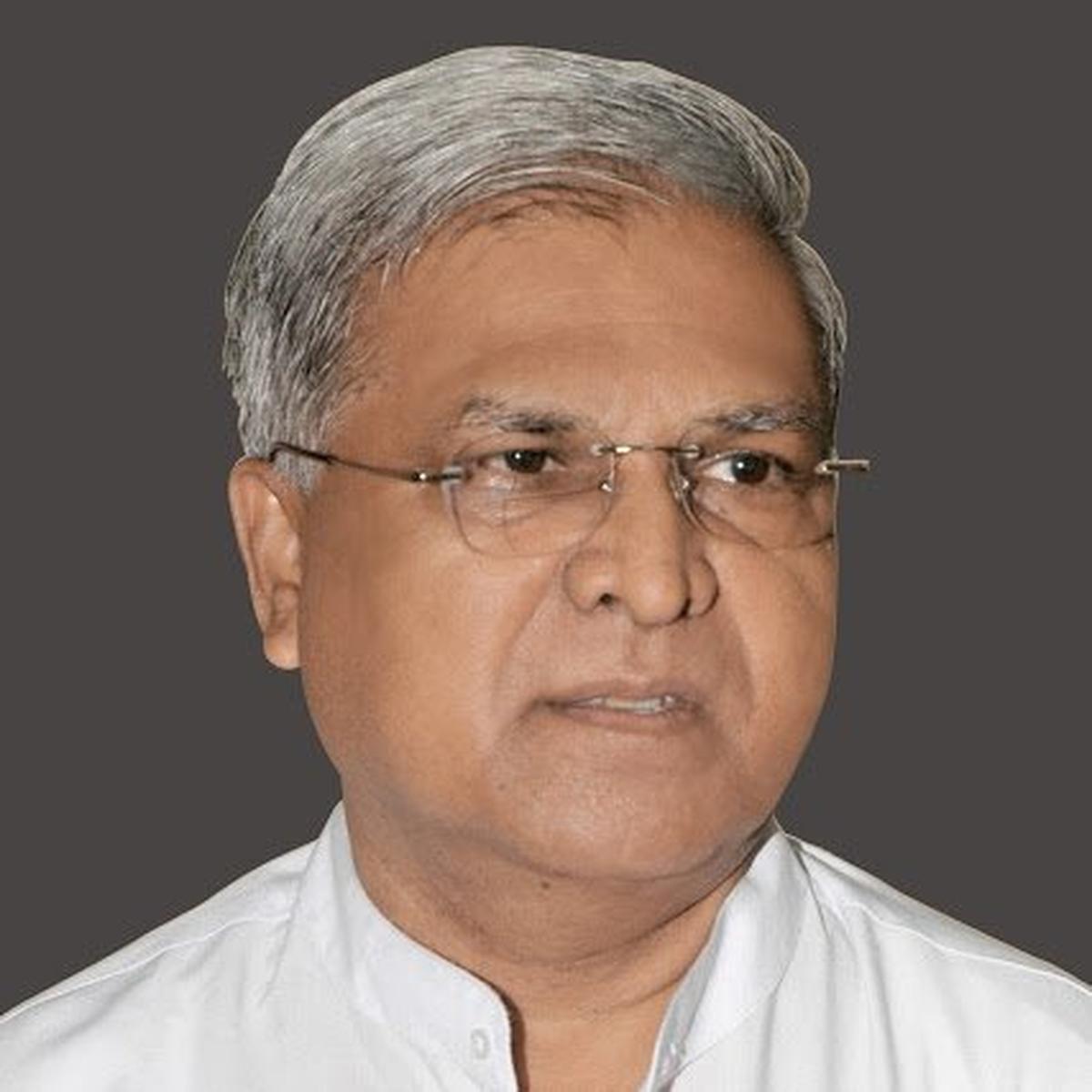
Constitutional Authority

Governance &
Constitutional Role

Understanding the constitutional framework, responsibilities, and governance approach of the 19th Governor of Madhya Pradesh.

Raj Bhavan Bhopal – Official residence of the Governor
Official Residence
Raj Bhavan, Bhopal
Madhya Pradesh, India
The Office

Role as Governor of Madhya Pradesh

On 6 July 2021, the President of India appointed Mangubhai Chhaganbhai Patel as the 19th Governor of Madhya Pradesh — a constitutional office of immense significance in India's federal democratic structure. This appointment was recognition of his extensive political experience, administrative competence, and demonstrated commitment to the constitutional values that underpin the Indian republic.

The Governor of a state in India occupies a unique position in the constitutional scheme. Under Articles 153 to 167 of the Constitution of India, the Governor is the constitutional head of the state, appointed by the President and serving during the pleasure of the President. While the executive power of the state is vested in the Governor, by convention and constitutional practice, this power is exercised on the advice of the Council of Ministers headed by the Chief Minister.

For Madhya Pradesh — India's second-largest state by area and home to over 72 million people — the Governor's office carries particular significance. The state's vast geographic diversity, ranging from the Vindhya and Satpura mountain ranges to the fertile plains of the Narmada and Chambal rivers, presents unique governance challenges. The state also houses significant tribal populations, whose welfare and development remain constitutional priorities.

Governor Patel's approach to this high office has been characterized by constitutional propriety, active engagement with educational institutions in his capacity as Chancellor, and a commitment to facilitating the smooth functioning of democratic governance. He has maintained a careful balance between the ceremonial aspects of the office and its substantive constitutional responsibilities, particularly in matters relating to legislative assent, university governance, and the administration of scheduled areas.

His tenure has been marked by a particular emphasis on educational excellence, youth empowerment, and tribal welfare — reflecting both his personal convictions and the constitutional mandate of the Governor's office with respect to scheduled areas and tribes in Madhya Pradesh.
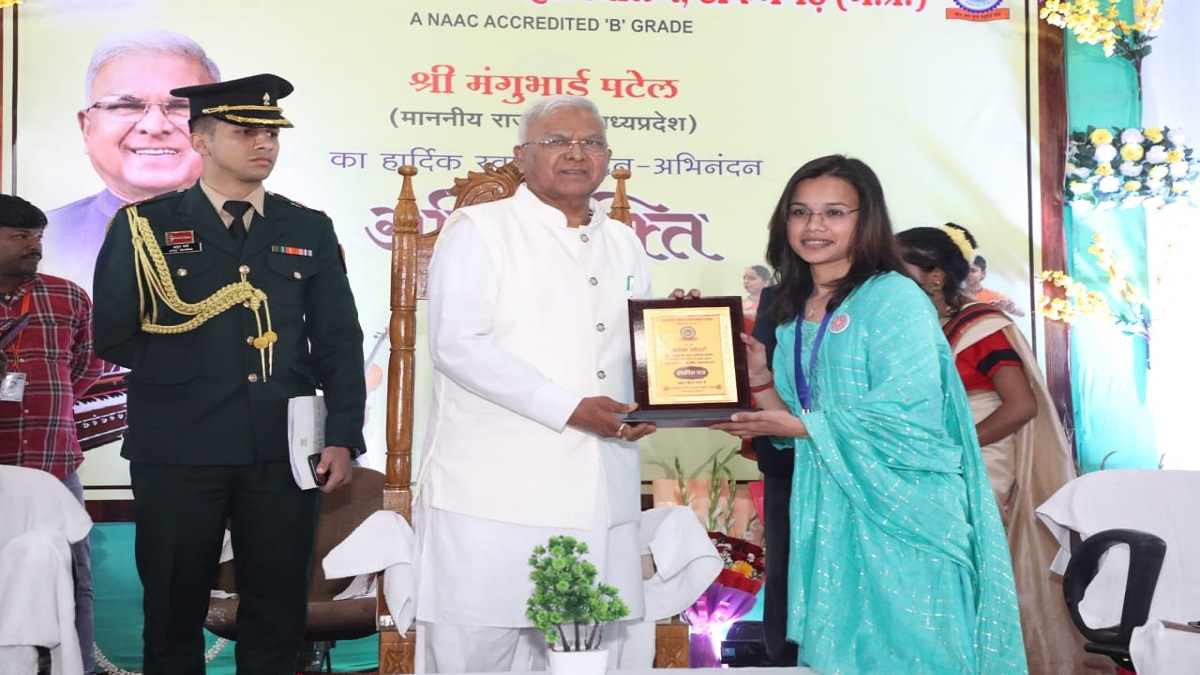
Constitutional Framework

Responsibilities & Duties

The constitutional duties of the Governor are enshrined in the Constitution of India and encompass executive, legislative, judicial, and discretionary functions.

🏛️

Executive Authority

As the constitutional head, all executive actions of the State Government are taken in the name of the Governor. The Governor appoints the Chief Minister, Council of Ministers, Advocate General, and other key officials.

The Governor also administers the oath of office and secrecy to the Chief Minister and other ministers, and plays a crucial role in the formation of government after elections or in the event of a constitutional crisis.

📜

Legislative Functions

The Governor summons and prorogues the sessions of the Madhya Pradesh Vidhan Sabha, and has the power to dissolve it. No bill passed by the Assembly can become law without the Governor's assent.

The Governor also has the power to promulgate ordinances during inter-session periods, addresses the Assembly at the beginning of each session after general elections, and can reserve certain bills for the consideration of the President.

⚖️

Judicial Powers

The Governor is consulted in the appointment of judges to the Madhya Pradesh High Court. Under Article 161, the Governor can grant pardons, reprieves, respites, or remission of punishment.

This power extends to persons convicted of any offence against any law relating to a matter to which the executive power of the state extends. The Governor also appoints district judges in consultation with the High Court.

🎓

Chancellor of Universities

The Governor serves as the Chancellor of state universities in Madhya Pradesh. In this role, Governor Patel has actively engaged with academic institutions, presiding over convocations, reviewing academic standards, and urging universities to align their curricula with national development priorities and the vision of the National Education Policy 2020. His emphasis on quality education, research innovation, and skill development has been a hallmark of his gubernatorial tenure.

🌿

Administration of Tribal Areas

Under the Fifth Schedule of the Constitution, the Governor has special responsibilities regarding the administration and welfare of Scheduled Tribes and Scheduled Areas in Madhya Pradesh. Given the state's significant tribal population, this responsibility carries particular importance. Governor Patel, drawing from his experience with tribal communities in South Gujarat, has paid special attention to ensuring that the constitutional protections for tribal areas are effectively implemented.

Approach & Style

Governance Style & Institutional Leadership

Mangubhai Patel's governance style as Governor of Madhya Pradesh reflects the synthesis of his decades of grassroots political experience with the demands of constitutional propriety that the office requires. His approach is characterized by active engagement combined with institutional restraint — a balance that is essential for the effective functioning of the Governor's office within India's parliamentary framework.

Unlike those who view the Governor's role as merely ceremonial, Patel has approached the office with a sense of active stewardship. He has used the convening power of the office to bring together different stakeholders — from academic leaders and civil society organizations to government officials and community representatives — to address pressing issues facing Madhya Pradesh. His tenure has seen regular interactions with university vice-chancellors, tribal community leaders, and administrative officials.

His governance style can be characterized by three key principles:

Accessibility: Governor Patel has maintained an open-door approach, making himself available to citizens, officials, and community leaders. This accessibility — a trait developed during his years as an MLA and minister in Gujarat — has humanized the office of the Governor and made it more responsive to the concerns of the people.

Constitutional Propriety: While being accessible and active, Patel has been careful to operate within the constitutional boundaries of the Governor's office. He has respected the primacy of the elected government in policy matters while exercising his constitutional functions — such as legislative assent, university governance, and tribal area administration — with diligence and propriety.

Developmental Focus: Drawing from his experience as a Cabinet Minister and legislator, Governor Patel has used the moral authority of the Governor's office to highlight developmental priorities — particularly in education, tribal welfare, and youth empowerment. His public addresses and interactions consistently emphasize the importance of development reaching the last mile.

This governance style has earned him recognition as a Governor who brings both gravitas and warmth to the office — a leader who understands the constitutional limits of his role but uses every available avenue within those limits to contribute to the welfare of Madhya Pradesh and its people.

Governor Mangubhai Patel
72M+
Citizens Served
52
Districts Overseen
50+
Universities Governed
21%
Tribal Population